
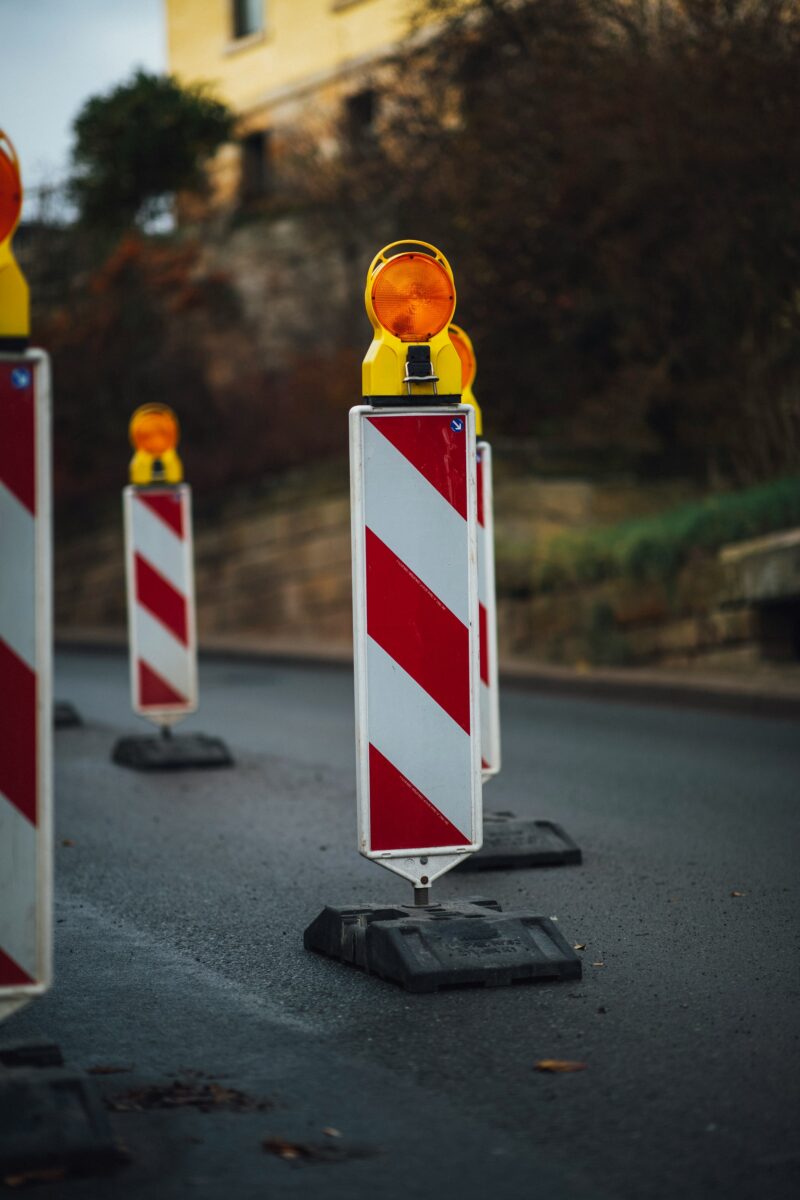
Lately, I’ve been driving through what feels like an inordinate amount of road construction. There is extensive roadwork throughout South Central Kansas. On highways, city streets, and rural routes, I often pass workers fixing construction issues with only a narrow margin of space between their bodies and my car.
A few weeks ago, while driving my 11-year-old son to an appointment in Wichita, he asked why I was driving so slowly when other drivers were speeding up or trying to pressure me to go faster. I looked at him and responded with two words: “Human life.”
Navigating New Construction Zones
Emerging from sabbatical and launching back into the fast-paced world of academia feels remarkably similar to navigating that Wichita road construction. The difference is that I am now more acutely aware of the need to protect and preserve the humanity of the students and colleagues I interact with daily.
I maintain high expectations for my students and myself—for both productivity and growth. They have much to learn; I have much to teach. Yet, I find myself asking: “How can I ensure that my students and I engage in high-quality work while still honoring the fact that we are human beings with souls, dreams, joys, problems, and a fundamental need to simply be?”
Seeking Answers in Slow Leadership
For me, the answer lies in embracing Slow Leadership practices.
We inhabit a production-focused world, but what if we approached our work differently? What if we created wider margins—the kind we actually need in construction zones—where there is space to honor and protect the human element? This means eliminating the nonessential and creating more spacious environments with time to acknowledge our shared humanity.
To put this in practice, consider one or all of the following:
- Start with humanity first. Open your classes or meetings with genuine check-ins that go beyond progress reports.
- Build in buffer time. Create realistic deadlines that allow space for idea percolation and collective consideration.
- Choose depth over coverage. When forced to choose, prioritize deep understanding of one or several concepts, instead of “covering it all.”
- Model sustainability. Maintain a pace that colleagues, students, and you can realistically sustain.
Protecting What Matters Most
Just as we slow down in construction zones because human life matters more than saving a few minutes, Slow Leadership asks us to decelerate in the context of our work environments. It’s about creating that crucial margin of safety—not because we expect less excellence, but because we recognize that sustainable excellence requires intention.